By Ashiadey Dotse
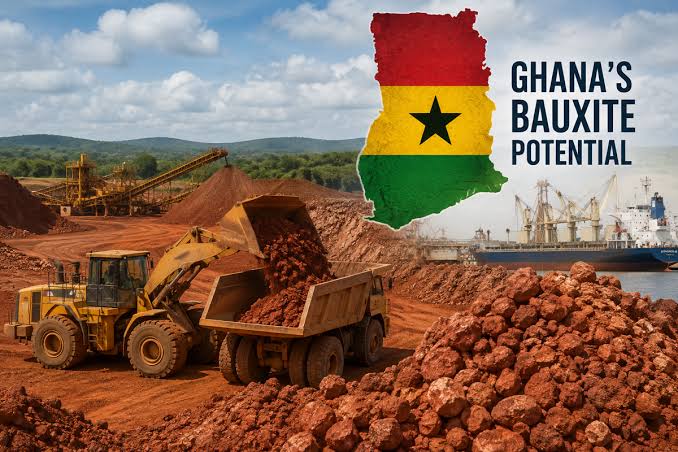
Russian aluminium producer Rusal is planning to establish a joint venture in Ghana to mine and process bauxite within the country. The proposed partnership is expected to focus on extracting bauxite, the raw material used in the production of aluminium, and processing it locally.
The company is targeting an annual production of five million metric tonnes of bauxite and a processing capacity of 1.2 million tonnes, according to a report by Russia’s state news agency, RIA.
The figures represent historic records for Ghana’s bauxite and aluminium production, and the move could boost Ghana’s Bauxite and Aluminium processing beyond mid-sized tier-two operations globally.
Even though the projected output falls below the mega-mines that dominate the industry the world over, an output of 5 million tonnes if it is a single mine may be rated as an upper-middle tier operation globally. It is considered highly efficient in its mass balance since it takes roughly 2.5 to 4 tonnes of bauxite to produce 1 tonne of alumina, which means, a 5 million tonne mine could feed a 1.2 million tonne refinery efficiently and effectively.
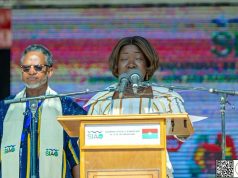
Rusal Chief Executive Officer, Evgeny Nikitin, disclosed the plans following the signing of a memorandum of understanding with Ghana’s state agency responsible for developing the country’s aluminium industry. The Ghana Integrated Aluminium Development Corporation (GIADEC) has plans to tap the massive Nyinahin bauxite deposit.

The agreement was signed on Thursday on the sidelines of the Russia-Africa Economic and Humanitarian Forum in Moscow.

Rusal is the world’s largest aluminium producer outside China and already operates major bauxite projects in Guinea. Its operations in Guinea include the Compagnie des Bauxites de Kindia (CBK), the Dian-Dian deposit and the Friguia complex. The company currently operates seven bauxite mines worldwide, including two in Russia.
In 2025, Rusal produced 18.453 million metric tonnes of bauxite, with its own production meeting about 88% of the raw material requirements of its alumina refineries.
The proposed Ghana project forms part of efforts to develop the country’s aluminium industry through mining and local processing of bauxite to build an efficient alumina value chain.

Ghana is currently not known to have a domestic alumina refining capacity. In spite being a major bauxite exporter for over 80 years, the country has historically exported raw ore and imported processed alumina to feed the VALCO aluminium smelter. Building a refinery with a 1.2 million tonne capacity therefore transforms the country’s position and establishes the industry as a fully integrated “bauxite-to-aluminium” value chain.