The Supreme Court has stayed the execution of the Court of Appeal’s judgment that restored the operating licence of GN Savings and Loans Company Limited.
The order, issued by the apex court, will remain in force pending the final determination of the substantive issues before it.
The latest ruling means GN Savings and Loans Company Limited cannot, for now, enforce the Court of Appeal’s June 2026 judgment, which directed the restoration of its licence and the return of control of the company to its shareholders.
In June 2026, a three-member panel of the Court of Appeal unanimously overturned a High Court decision that had upheld the revocation of GN Savings and Loans’ licence by the Bank of Ghana (BoG).
The appellate court held that the revocation was unfair and unreasonable and ordered the restoration of the company’s licence.
It further directed the receiver to hand over possession, management and control of the company’s assets and operations to its shareholders.
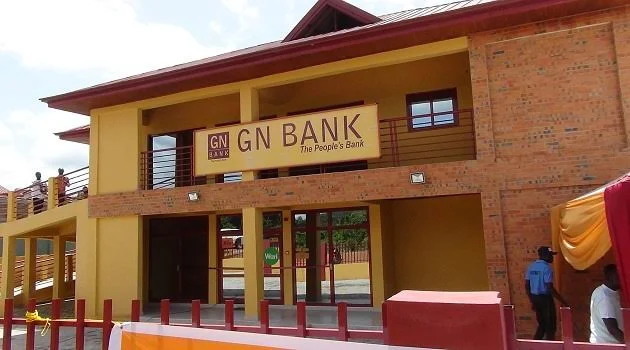
GN Bank Limited was reclassified as a savings and loans company on January 4, 2019, and subsequently renamed GN Savings and Loans Company Limited.
On August 16, 2019, the Bank of Ghana, under the leadership of then Governor Dr Ernest Addison, revoked the company’s operating licence as part of the banking sector clean-up exercise and appointed Eric Nana Nipah as receiver.
Following the revocation, Groupe Nduom, led by Dr Papa Kwesi Nduom, challenged the decision at the High Court in Accra, arguing that the Bank of Ghana had violated the company’s constitutional rights and seeking an order reversing the revocation.
However, the High Court dismissed the application, ruling that the central bank acted within its legal mandate.
Justice Gifty Addo Adjei held that GN Savings and Loans was unable to meet its debt obligations due to poor governance structures and that the Bank of Ghana’s decision to revoke the licence was justified.
The court also rejected claims that the revocation was unreasonable, malicious or discriminatory, finding that the company had failed to prove it was solvent at the time its licence was revoked.
It further ruled that the central bank acted lawfully in exercising its regulatory powers and noted that other financial institutions affected by the banking sector clean-up had been treated similarly.
The High Court also indicated that any claims relating to debts allegedly owed to the company by the government could be pursued separately through the appropriate legal process.
Dissatisfied with the High Court’s decision, Dr Papa Kwesi Nduom, represented by lawyer Cletus Alengah, appealed the ruling.
The Court of Appeal subsequently set aside the High Court’s judgment and ordered the restoration of the company’s licence.