

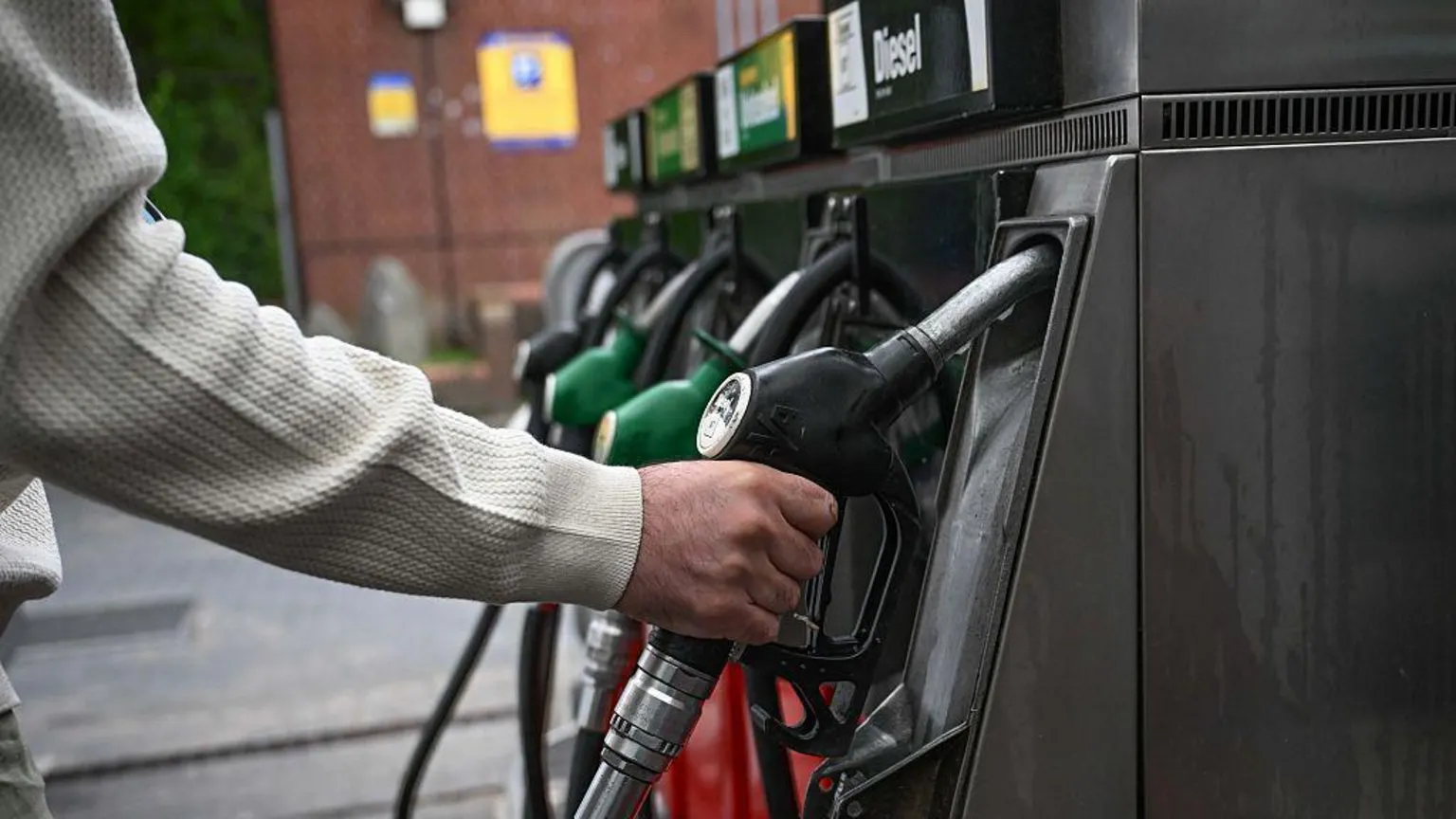
Plans to impose a ban on UK imports of diesel and jet fuel made from Russian oil in third countries have been watered down amid concerns over supplies and price rises.
The government will now “phase in” some new sanctions over the coming months due to the effective blockade of the key Strait of Hormuz waterway since the start of the US-Israel war with Iran.
The Foreign Office denied the shift in policy could be described as a “waiver” on sanctions aimed at hurting Russia’s economy, but admitted extra flexibilities were required.
Vladyslav Vlasiuk, sanctions commissioner for Ukraine, said he understood “the rationale behind the UK’s decision”, but said he disagreed with the approach.
“Our concern relates specifically to temporary exemptions that may still generate additional revenues for Russia’s war machine,” he posted on social media.
The original plan to ban oil products derived from Russian crude oil, such as jet fuel and diesel, entering the UK from third countries, was first announced as part of a raft of fresh sanctions by the government in October last year.
It came after the BBC revealed in 2024 that millions of barrels of fuel made from Russian oil were still being imported to the UK through a loophole in global trade rules, despite sanctions being imposed.
The Centre for Research on Energy and Clean Air (CREA) estimated that about £1.8bn worth of oil products made from Russian crude had been imported to the UK via India and Turkey since the first ban on oil was imposed in December 2022.
While some sanctions have been imposed on Wednesday, the ban on oil products made from Russian crude oil and being imported via third countries has been delayed.
The watering down of planned measures will effectively allow imports of jet fuel from India, which was previously a key supplier to UK and Europe. A lot of Russian crude oil is also refined in Turkey.
It is understood the government now plans to “phase” in the ban in the coming months. The rules will be reviewed regularly and “will allow for the full ban to be phased in without causing instability” amid the fuel supply shock stemming from the Middle East conflict.
The government said “targeted” short-term licences had been issued “within the refined oil import ban to support flexibility in UK supply and global markets”.
It denied the delay amounted to a sanctions waiver, which was put in place by the US government last month and was highly criticised.
The conflict in the Middle East has effectively ended transport of oil and liquefied natural gas (LNG) as well as other essentials.
More than half of Europe’s jet fuel is transported through the strait and as a result of the supply disruption, European jet fuel prices are nearly double what they were before the war started.
In late February, before the first US and Israeli airstrikes, jet fuel was trading at $831 per tonne in Europe. By early April, it had touched $1,838 before beginning to fall. It is now at $1,375.
The UK is issuing a ban on maritime transportation of Russian LNG and related services but a time-limited licence will allow this to continue until 1 January.
The UK has led international efforts to put economic pressure on Russia over the invasion of Ukraine.
Only on Tuesday the UK signed a G7 statement reaffirming its “unwavering commitment” to impose “severe costs” on Russia.
‘Negative signal’
Robin Mills, chief executive of Dubai-based energy consultancy Qamar Energy, said such changes sent a “negative signal” that sanctions on Russia are potentially weaker because of the crisis in the gulf and added it would unlikely lead to lower fuel prices.
“This measure looks unnecessary, it’s not going to bring down prices but it’s also not going to attack the shortage that probably wasn’t going to happen anyway,” he said.
This week, Ryanair chief executive Michael O’Leary said the risk of a fuel shortage was “almost zero”, however other airlines have cancelled flights in response to the surge in fuel costs.
At Prime Minister’s Questions, Conservative Party leader Kemi Badenoch accused the government of “choosing to buy dirty Russian oil” and said Sir Keir Starmer was “losing his moral compass by backsliding on Ukraine”.
But Sir Keir defended the government’s sanctions policy, telling MPs it was a case of “new sanctions being phased in”, that “none of the existing sanctions are being lifted in any way” and it amounts to “more pressure on Russia”.
However, Labour chair of the foreign affairs select committee, Dame Emily Thornberry, said she opposed the government’s decision.
“We’re talking about our allies in Ukraine who have been fighting a war bravely against Russia for years and years, with our support, and they have looked to Britain as one of their most important allies, and they don’t understand,” she told BBC Radio 4’s Today programme.
Earlier this week, the US extended a similar waiver, first introduced in March, which loosened sanctions preventing other countries buying Russian oil and petroleum already loaded on vessels at sea.
The policy has been criticised by many US and UK allies who say it helps the government of Russian President Vladimir Putin and his invasion of Ukraine, which has been ongoing since 2022.
French President Emmanuel Macron has said that the Strait of Hormuz’s shutdown “in no way” justified lifting the sanctions on Russia while Ukraine’s President Volodymyr Zelensky has said “every dollar paid for Russian oil is money for the war”.
A UK government spokesperson said it had “introduced a new wave of tighter restrictions on Russia including further export and import bans against Russia”.
“Our support for Ukraine is unwavering – these additional sanctions will further restrict Russian revenues and degrade its ability to wage Putin’s illegal war in Ukraine.”
Clarification 20 May: An earlier version of this story reported the UK had loosened sanctions on Russian oil refined into diesel and jet fuel in third countries, and that those sanctions had been in place since October. This has been changed to make clear the sanctions were announced in October. While some sanctions have been imposed on Wednesday, the ban on oil products made from Russian crude oil being imported via third countries has been delayed.
DISCLAIMER: The Views, Comments, Opinions, Contributions and Statements made by Readers and Contributors on this platform do not necessarily represent the views or policy of Multimedia Group Limited.
DISCLAIMER: The Views, Comments, Opinions, Contributions and Statements made by Readers and Contributors on this platform do not necessarily represent the views or policy of Multimedia Group Limited.
Source link