By Melissa Sackey
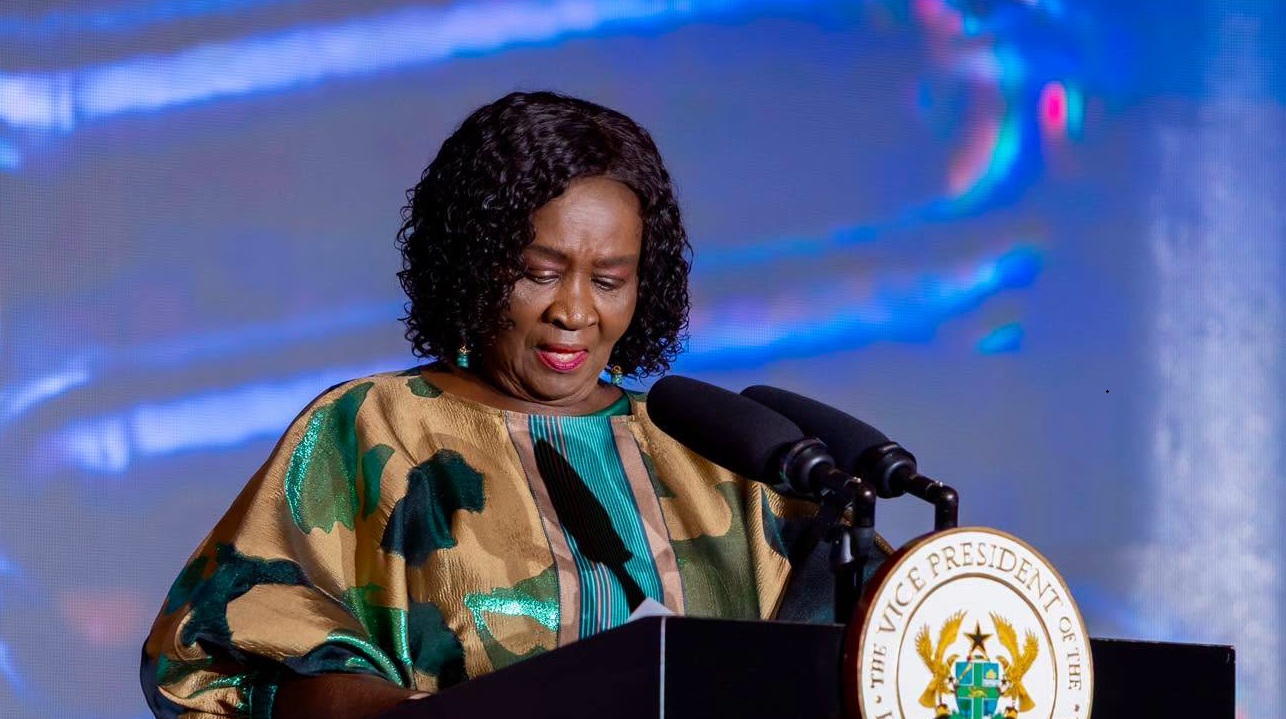
Vice President Professor Jane Naana Opoku-Agyemang has identified the high cost of electricity, limited access to long-term financing and inadequate industrial infrastructure as major constraints undermining the growth and competitiveness of Ghanaian businesses.
She said addressing these structural challenges is critical to strengthening the country’s productive capacity, expanding industrial operations and translating recent economic stability into sustainable growth.
The Vice President made the remarks at the 15th Association of Ghana Industries (AGI) Ghana Industry and Quality Awards, where she outlined government’s policy direction towards addressing some of the challenges confronting the industrial sector.
Professor Opoku-Agyemang said the 2027 Budget proposes tax incentives to encourage private-sector investment in machinery and production, which she believes will help businesses expand their operations and increase output.
She also highlighted planned investments in power generation and transmission, alongside reforms aimed at improving the efficiency of electricity distribution.
According to her, access to affordable and reliable electricity remains essential to industrial competitiveness, particularly as businesses seek to increase production and strengthen their presence in both local and international markets.
The Vice President further pointed to measures intended to improve the quality of solar panels and batteries, as part of broader efforts to support the use of alternative energy and address the cost of business operations.
She commended the Association of Ghana Industries for recognising businesses that continue to contribute to the country’s industrial development and wished the award recipients well.
The President of the Association of Ghana Industries, Dr Kofi Nsiah-Poku, said the awards were instituted to recognise companies that had demonstrated resilience, excellence and competitiveness despite the difficult operating environment.
He acknowledged the challenges businesses had faced, including high electricity costs and external economic pressures, but said some companies had remained competitive and contributed to the country’s export earnings.
Dr Nsiah-Poku said the recognition was also intended to encourage other businesses to improve their performance and prepare for emerging opportunities in the coming year.
He urged companies to position themselves to benefit from government’s proposed New Economy programme, which he said had an allocation of 2.5 billion dollars for 2027.
He said the association was interested in engaging government to understand the implementation framework of the programme and identify how industry players could contribute to its success.
According to him, effective collaboration between government and the private sector would be necessary to expand businesses, increase exports and create employment opportunities, particularly for the country’s growing youth population.
Dr Nsiah-Poku said youth unemployment remained a major concern and expressed the hope that effective implementation of the programme, with active private-sector participation, would enable companies to expand their workforce and provide more employment opportunities.
On workers’ welfare, the AGI President acknowledged concerns over rising living and transportation costs, indicating that the association was making efforts to encourage companies to improve salaries in 2027.
He said most companies were expected to increase workers’ remuneration to help cushion employees against rising expenditure.
“As an industrial player myself, I have observed that even the cost of transportation has gone up a lot. Therefore, we are putting in effort to ensure that in 2027 most companies will increase the salaries of their employees to at least meet them halfway on this growing increase in expenditure,” he said.
The 15th AGI Ghana Industry and Quality Awards recognised businesses for their contributions to industrial development, innovation, quality and business performance.
Among the companies recognised were Nutrisnax, Nestlé Ghana Limited and Ecobank Ghana Limited, alongside other businesses across various sectors.
The awards were held under the theme, “From Stability to Growth: Strategic Industrialisation as a Catalyst for Economic Transformation,” highlighting the need to consolidate economic stability through increased investment, stronger industrial capacity, improved productivity and an enabling business environment.
The event brought together government representatives, business leaders and industry stakeholders to celebrate corporate achievements and deliberate on the role of strategic industrialisation in driving Ghana’s economic transformation.