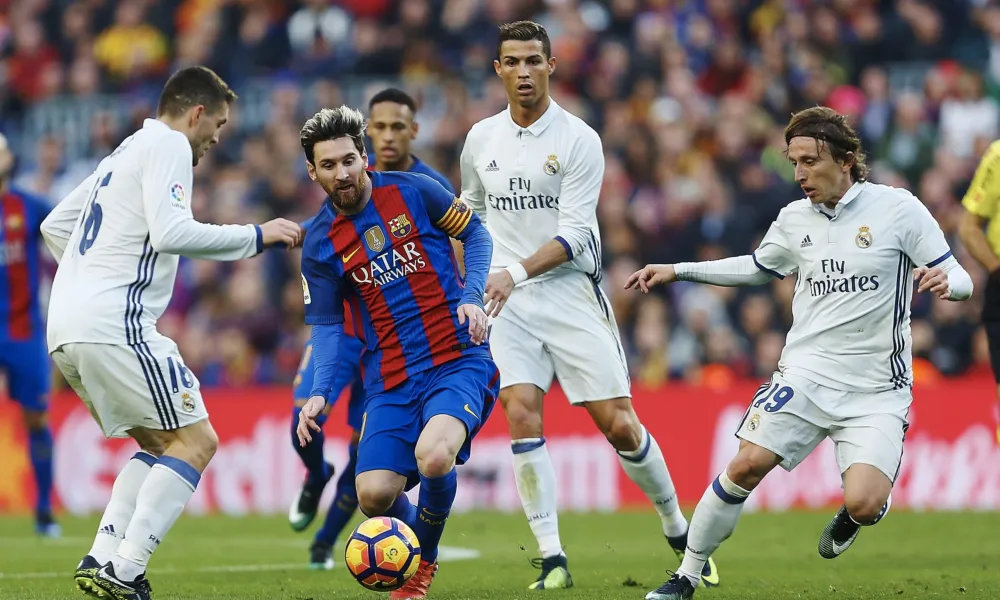
Global football finals place teams against elite opponents with contrasting systems, technical qualities and game plans. Limited preparation time, knockout pressure and sudden changes in match state make rigid tactics particularly risky. Tactical flexibility matters because it enables teams to solve new problems, manage decisive moments and remain effective when their preferred approach stops working.
Neutralises Contrasting Systems
Global finals bring together teams shaped by different football cultures. One opponent may press aggressively, while another protects the penalty area with a compact low block. A team that attacks effectively against high defensive lines may struggle when space behind the defence is denied.
Tactical flexibility allows players to adjust their attacking width, passing speed and positioning. Supporters assessing FIFA World Cup betting odds and markets may therefore consider how well each team can adapt to different opponents, rather than relying only on rankings or recent form. Tactical compatibility can strongly influence a knockout match.
Solves Problems During the Match
Coaches cannot predict every situation before kick-off. An opponent may overload one side of the pitch, prevent passes into midfield or exploit space behind an advancing full-back. Without an alternative plan, the same weakness can continue affecting the match.
Flexible teams can respond without immediately replacing players. A midfielder might drop into the build-up phase, a winger could move inside or the defensive line may sit slightly deeper. These adjustments help disrupt the opponent’s advantage while preserving substitutions for fatigue, injuries or later tactical changes.
Prevents Teams Becoming Predictable
Opponents in global finals receive extensive footage and performance data. Analysts examine pressing triggers, passing patterns, defensive positioning and set-piece routines. A team that repeats the same approach throughout the tournament becomes easier to anticipate.
Tactical variation creates uncertainty. A side might press high during the opening period, switch to a mid-block and then attack more directly after drawing the opposition forward. Changing the point of attack also prevents defenders from concentrating on one area or one influential player.
Supports Better Score Management
A final rarely presents the same tactical problem for 90 minutes. Scoring first may require a team to reduce risk and control possession, while falling behind demands greater attacking urgency. Extra time introduces further challenges as fatigue affects concentration and recovery runs.
A 2024 study of 71 professional matches found that victories were associated with significantly lower expected goals against (xGA) and expected goals chain against (xGCA) than defeats, highlighting the importance of limiting the opposition’s shooting opportunities. Flexible teams can respond to the match situation by retaining additional defensive cover when leading or pushing full-backs higher and committing more players forward when chasing a goal.
Helps Teams Handle Fatigue and Absences
Global finals are often reached after several demanding tournament matches. Fatigue, injuries and suspensions can remove players who are central to the original game plan. Attempting to reproduce the same tactics with players who have different qualities may reduce the team’s effectiveness.
An adaptable coach can select a structure suited to the available squad. A fast forward may support counter-attacking football, while a strong aerial striker may offer a route past a compact defence. Flexibility enables replacements to contribute through their strengths rather than imitate unavailable teammates.
Adaptability Can Decide the Trophy
Tactical flexibility matters in global finals because the margins are small and conditions rarely remain stable. Teams must respond to contrasting systems, tactical surprises, changing scorelines and physical fatigue. The strongest finalists preserve their core identity while adjusting their shape, tempo and level of risk. That capacity to change at the right moment can determine which team merely reaches the final and which one wins it.