
By Kizito CUDJOE
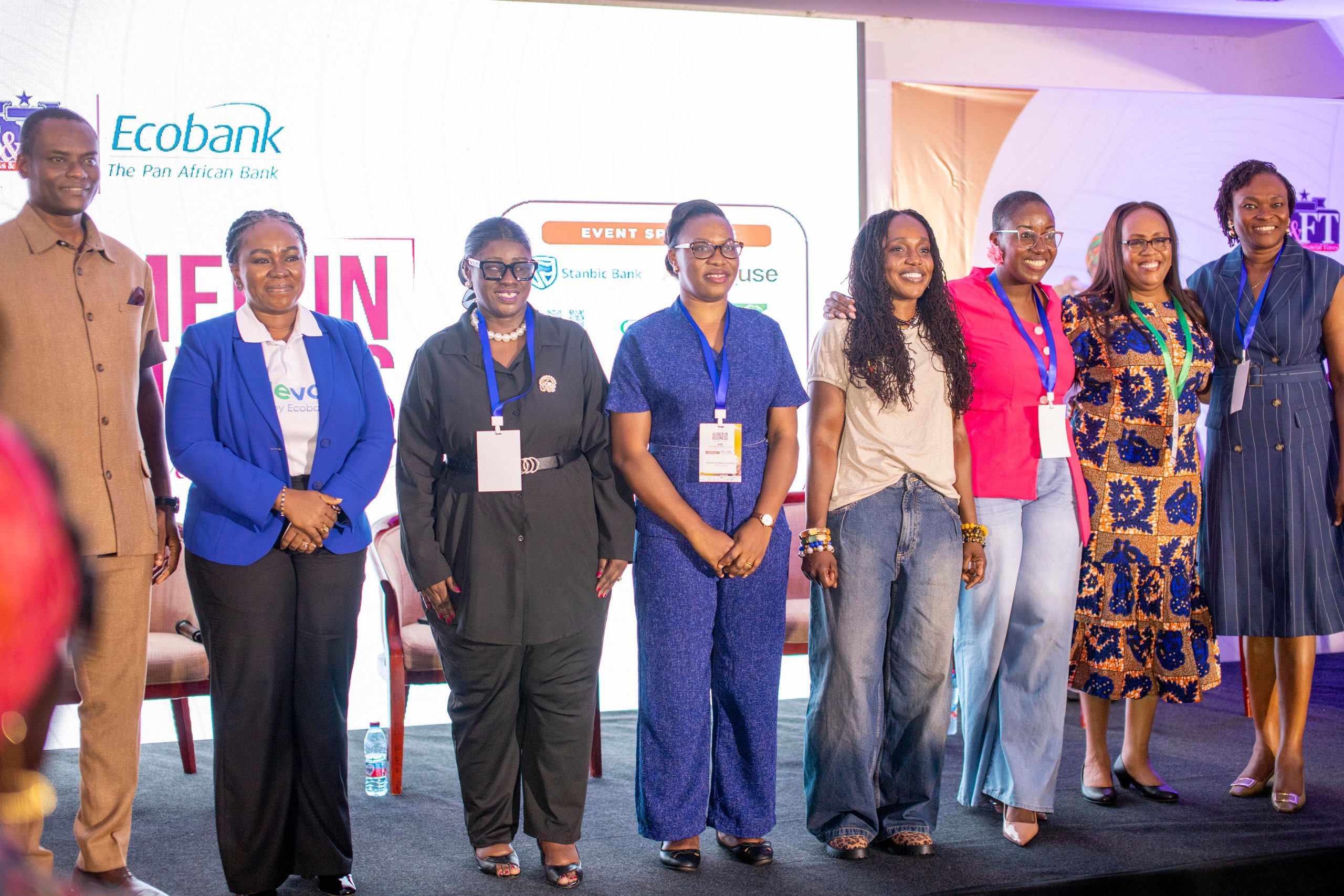
Participants at the latest Women in Business Dialogue Series (WIB), held in Kumasi, have expressed confidence in the platform’s ability to deliver tangible results for female-led enterprises.
According to a broad spectrum of stakeholders, WIB has evolved beyond a mere talking shop, with its growing relevance reflected in efforts to equip women with practical tools to strengthen and scale their enterprises, while opening direct lines of engagement with policymakers and financiers.
This year’s event brought together women entrepreneurs, young agripreneurs, financial institutions and public sector actors to confront long-standing barriers to growth – including limited access to finance, weak business formalisation and constrained market access.
They pointed to WIB’s consistency in providing exposure to women-run businesses, advocating favourable policies and facilitating linkages with markets and financial institutions as some of its key achievements.

Organised by the Business and Financial Times (B&FT) in partnership with Ecobank Ghana, WIB forms part of wider efforts to deepen financial inclusion, promote entrepreneurship and support local economic development – particularly among women and youth-led enterprises in sectors such as agribusiness.
At the start of proceedings, participants made clear their expectations: that the dialogue translates into measurable outcomes, improved access to funding, stronger business capacity and clearer pathways to expansion.
“There is value in the conversations, but what matters is what happens after,” one participant said, echoing a broader sentiment among attendees. “We want to see real opportunities come out of this.”
Ashanti Regional Minister Frank Amoakohene commended the organisers for sustaining the initiative, describing it as a critical platform for advancing women’s economic empowerment and inclusive growth.
“The Women in Business Dialogue Series has over the years become a vital platform for advancing conversations around women’s economic empowerment, entrepreneurship and inclusive growth in Ghana,” he said in a speech read on his behalf by Mr. Samuel Twum Nkansah, a Director of Administration, Ashanti Regional Coordinating Council.

He noted that this year’s theme, ‘Building market leaders: Empowering women-led SMEs and agribusiness for inclusive and sustainable growth’, reflects a necessary shift from participation to leadership and from survival to sustainability.
“Women form the backbone of our local economies, from markets to farms and processing centres. Yet many women-led enterprises continue to face structural challenges including limited access to finance, inadequate business development support, restricted market access and gaps in digital skills,” he said.
“This dialogue is not just an event, it is a call to action to equip women with the tools to scale, strengthen networks that open doors and build resilient enterprises in an increasingly competitive global economy.”

Head of Marketing and Brand at Ecobank Ghana, Regina Ofori, urged participants to focus on practical and scalable growth strategies.
“Let us move from survival to scale and from entrepreneurs to market leaders,” she said, adding that supporting women-led SMEs is not just a social obligation but a strategic economic priority.
She said the bank remains committed to providing the financial support and strategic partnerships needed to help women-led businesses expand and compete effectively.

For his part, the Chief Executive Officer (CEO) of B&FT, Dr. Godwin Acquaye, said the forum is deliberately designed to shape the future of women-led enterprises in Ghana and across Africa.
“We can no longer ignore that women are not just participants in our economy; they are drivers of growth, innovation and resilience,” he said.
He stated that although women dominate key sectors such as agriculture and trade, they remain constrained by structural barriers including limited access to finance, restricted market opportunities and policy gaps.

The dialogue comes at a time when policymakers are placing increasing emphasis on the role of women-led micro, small and medium enterprises in driving job creation, strengthening food systems and supporting inclusive growth.

Sessions at the forum focused on access to credit, bookkeeping and pricing strategies, value addition, digital commerce and cooperative business models, all seen as critical to moving women-owned enterprises from informal operations to competitive, growth-oriented businesses.
Post Views: 25
Discover more from The Business & Financial Times
Subscribe to get the latest posts sent to your email.