


By Peter Justice GARIBA
For decades, Africa has spoken passionately about unity, solidarity, and the shared destiny of its people. From the struggle against colonialism to the fight against apartheid, Africans stood together, believing that the freedom of one nation was tied to the freedom of all.
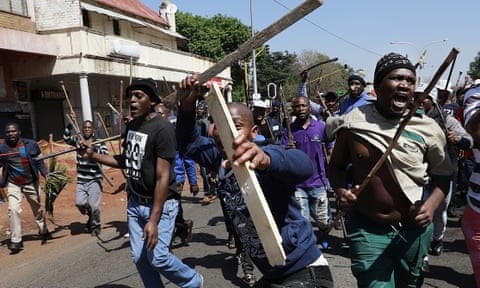
It is therefore deeply painful and unacceptable that, in the 21st century, fellow Africans continue to face xenophobic attacks, intimidation, discrimination, and violence in South Africa simply because they come from another African country.
The recurring waves of xenophobic hostility directed at African migrants are not just attacks on individuals; they are attacks on the very foundation of Pan-Africanism. They represent a dangerous rejection of the values that united the continent during some of its darkest moments.
South Africa’s liberation was not achieved in isolation. Countries across Africa, including Ghana, provided diplomatic support, refuge, advocacy, and resources in the fight against apartheid. Many African nations sacrificed greatly because they believed in a free and democratic South Africa.
Today, many Africans watch with disappointment as fellow Africans are harassed, their businesses destroyed, and their dignity stripped away. No economic challenge, unemployment crisis, or social frustration can justify violence against innocent people whose only “crime” is seeking opportunities and a better life. Blaming foreigners for domestic problems is neither a solution nor a path toward national development.
Xenophobia is not patriotism. It is not nationalism. It is fear, intolerance, and a dangerous misdirection of public anger. It weakens social cohesion, damages South Africa’s international reputation, discourages investment, and undermines regional cooperation. Most importantly, it erodes the moral authority that South Africa earned through its historic struggle against racial oppression.
As a Ghanaian, I find these developments particularly troubling. Ghana has long embraced the principles of African brotherhood. Our nation has welcomed people from across the continent and the diaspora, believing that Africa’s future depends on cooperation rather than division. We understand that the strength of Africa lies not in isolation but in partnership.
The Government of Ghana deserves recognition for consistently promoting peaceful engagement, diplomatic dialogue, and the protection of African citizens. The efforts of President John Dramani Mahama to strengthen regional cooperation, uphold African unity, and advocate for the safety and dignity of all Africans must be commended. Leadership is measured not only by words but by the willingness to stand for justice, fairness, and human dignity.
However, expressions of concern alone are no longer sufficient. African governments and institutions must take decisive and coordinated action to ensure that xenophobia has no place on our continent.
First, the African Union must move beyond statements of condemnation and establish stronger mechanisms to monitor and respond to xenophobic violence. There must be accountability for those who incite hatred and organize attacks against fellow Africans.
Second, African governments should demand stronger protections for their citizens living and working in South Africa. Bilateral engagements must prioritize the safety, rights, and security of African migrants.
Third, regional economic bodies such as ECOWAS and SADC should intensify discussions on free movement, mutual respect, and the protection of migrant communities. Economic integration cannot succeed where discrimination is tolerated.
Fourth, African civil society organizations, religious leaders, youth groups, and traditional authorities must launch sustained campaigns promoting tolerance, coexistence, and Pan-African values. The battle against xenophobia is not only political; it is cultural and educational.
Finally, African citizens themselves must reject the politics of division. The enemy of Africa is not the African migrant seeking honest work. The real enemies are poverty, corruption, unemployment, poor governance, and underdevelopment. These challenges cannot be solved by attacking fellow Africans.
The time has come for Africa to decide what kind of continent it wants to be. A continent divided by suspicion and hostility will never reach its full potential. But a continent united by mutual respect, shared prosperity, and collective purpose can become a powerful force in the world.
The message must be clear and uncompromising: xenophobia is unacceptable. Violence against fellow Africans is unacceptable. Discrimination against fellow Africans is unacceptable.
Africa belongs to all Africans.
Those who attack their brothers and sisters from across the continent are not defending Africa; they are betraying it.
History will judge us not by how loudly we spoke about African unity, but by how firmly we defended it when it was under attack.
Post Views: 10
Discover more from The Business & Financial Times
Subscribe to get the latest posts sent to your email.