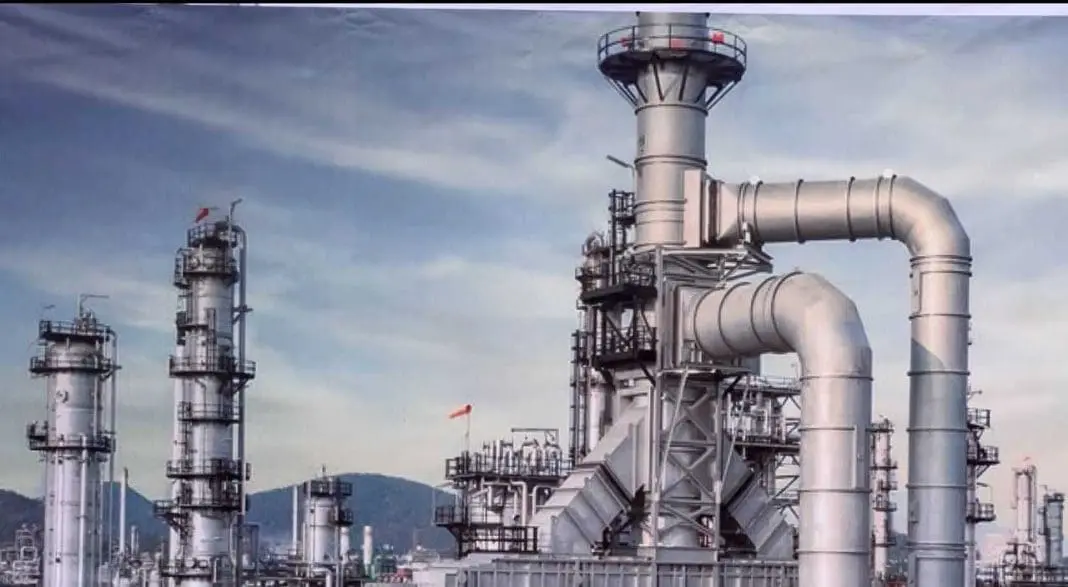

The nation’s attempt to build both a regional gas trading hub and a large-scale Petroleum Hub in the Western Region is among the more coherent industrial strategies advanced in recent years. Unlike many headline-grabbing development projects that operate in isolation, the two initiatives are potentially complementary and mutually reinforcing.
The logic is straightforward. Natural gas imported through the near-complete LNG terminal at Tema, supplemented by domestic production from the Sankofa, Jubilee and TEN fields, can support power generation and industrial activity at home while positioning Ghana as a supply gateway for energy-deficient markets across West Africa. At the same time, a functioning Petroleum Hub that refines crude oil and produces petrochemicals for regional markets would create the large-scale industrial demand needed to justify significant investments in gas infrastructure. Success in one project strengthens the commercial case for the other.
Recent developments suggest the opportunity is real. Rising throughput on the West African Gas Pipeline and increased deliveries across the subregion point to growing regional demand for natural gas. Ghana’s position at the eastern end of that network, combined with deep-water port infrastructure, established upstream production and a comparatively stable political environment, gives it advantages that few regional competitors can match.
Yet sound strategy is only the starting point. The greater challenge is execution.
The Petroleum Hub requires more than policy declarations and promotional roadshows. It needs credible anchor investors, financing commitments and a clear development timetable. Likewise, the LNG terminal, reportedly close to completion, requires certainty around commissioning and operational readiness. Delays, however understandable, increase investor caution and weaken confidence in long-term planning assumptions.
More importantly, the commercial risks that have historically constrained regional gas trade cannot be ignored. Payment arrears, weak contract enforcement and creditworthiness concerns among some off-takers have repeatedly undermined confidence in the West African gas market. These are not peripheral issues; they go to the heart of whether Ghana can establish itself as a reliable energy trading and processing centre.
The ambition is difficult to fault. West Africa needs additional refining capacity, stronger energy infrastructure and more integrated regional markets. Ghana’s vision addresses all three. But large-scale energy projects are ultimately judged not by the quality of their concept, but by their ability to attract capital, meet timelines and generate sustainable commercial returns.
Ghana has articulated a compelling energy strategy. The test now is whether it can deliver the infrastructure, governance and investment discipline needed to make that strategy commercially viable.
Post Views: 48
Discover more from The Business & Financial Times
Subscribe to get the latest posts sent to your email.