

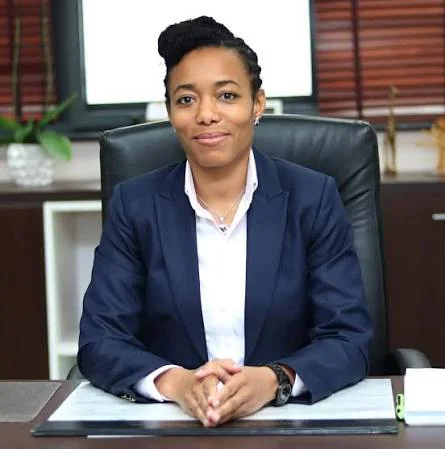
Zanetor Agyeman-Rawlings, Chairperson of the Parliamentary Select Committee on Security and Intelligence, has emphasised that standardised operating procedures will help ensure evidence collected in conflict zones by first responders leads to stronger investigations and successful prosecutions.
Speaking at the Second Plenary Expert Group Meeting on the finalisation of the SOPs at the Alisa Hotel in Accra, on Thursday, July 2, 2026, Agyeman-Rawlings described the procedures as vital for maintaining the integrity of evidence gathered during counter-terrorism operations.
She extended appreciation to the United Nations Office on Drugs and Crime, national institutions, and development partners for their commitment to strengthening Ghana’s criminal justice and counter-terrorism frameworks.
“Evidence that is improperly collected, inadequately preserved or poorly documented can compromise entire investigations and deny justice to victims,” she noted.
“This is why the development of standardised operating procedures is so important. They provide consistency, accountability and legal certainty.”
The meeting brings together senior representatives from Ghana’s security, intelligence, military, law enforcement, and justice sectors.
It is organised by the Terrorism Prevention Branch of UNODC in partnership with the Government of Ghana, with technical and financial support from the European Union.
The initiative forms part of the EU-funded regional programme on Strengthening the Criminal Justice Responses to Terrorism in West African Coastal Countries, covering Benin, Côte d’Ivoire, Ghana and Togo.
It also contributes to UNODC’s CONNECT Strategic Framework, which promotes coordination among criminal justice and security actors.
Agyeman-Rawlings stressed that the success of the SOPs depends on full ownership by all relevant stakeholders, including the National Peace Council, various Ministries, Departments and Agencies, investigative bodies, prosecutors and other partners.
She called for bridging gaps between the Executive, Legislature and Judiciary to ensure investigations, prosecutions and legislation work seamlessly together.
The effectiveness of the procedures, she added, will ultimately be tested in the courts.
The Chairperson pledged to take the outcomes of the meeting to Parliament, raise awareness on the Floor of the House, and advocate for sustained support for implementation. She also highlighted Parliament’s recent passage of the Piracy and Maritime Offences Bill as a complementary step in strengthening Ghana’s legal framework against transnational crimes.
Agyeman-Rawlings further noted the potential for Ghana’s SOPs to contribute to broader African Union efforts on evidence management and criminal justice cooperation.